
 As a rental property owner, you understand that tenant activity—moving furniture, using appliances, and coming and going every day—naturally affects the condition of your home. The goal is not to eliminate wear completely, but to manage it. With a clear approach, you can reduce rental property damage and keep your rentals performing well.
Tenants live in your property day after day, and even ordinary use can cause floors to get scuffed, walls to lose their fresh appearance, and appliances to slowly wear down. But when wear and tear crosses into preventable damage, your property’s value, along with your rental income, can take a serious hit.
To support you, we have put together a guide full of practical landlord maintenance tips designed to help you protect your property, keep tenants satisfied, and maximize your long-term returns.
Why Wear and Tear Matters for Rental Property Owners
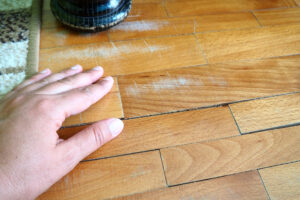
Understanding the causes of wear and tear is the first step in keeping it under control. In any home, rental or otherwise, some change is expected as time passes. Carpet will eventually look worn and faded, paint can lose its brightness, and small nail holes or marks will show up on the walls. These gradual changes are a normal result of everyday use and do not always indicate a problem with how the home is being treated.
Normal wear and tear is just what it sounds like: the gradual wear caused by everyday use. This type of wear is very different from property damage, which typically involves repairs beyond gradual wear. Recognizing the difference helps you budget appropriately and communicate more clearly with your tenants.
The encouraging news is that reducing wear and tear is realistic when you focus on proactive property maintenance. A proactive approach can mean fewer emergency repairs, more predictable costs, and a better experience for both you and the people living in your property.
How Move-In and Move-Out Inspections Reduce Damage
A powerful way to limit long-term damage is to document your property’s condition consistently. At a minimum, you should conduct thorough, detailed inspections at move-in and move-out for each tenant so everyone understands the condition of the home at both the beginning and end of the lease. Consistent inspection routines show tenants that you take the property seriously and expect them to do the same.
Your inspection should include photos of the entire property paired with clear written notes. This record creates a baseline for your property’s condition and makes it easier to spot changes over time. You may also choose to share the results of your inspection with your tenants so that expectations for upkeep and cleanliness are clearly communicated. This shared record gives everyone a common reference point if questions come up later.
With regular inspections in hand, you can more easily and fairly assess whether damage exceeds normal wear and tear, making it simpler to resolve security deposit disputes and maintain a high standard of professionalism. Careful documentation also helps you track trends, such as repeated issues in certain areas of the home.
Choosing Durable Materials and Long-Lasting Finishes
The materials you choose for your property play a major part in how well your property holds up. Choosing the right materials can help reduce wear and tear over the long term. For instance, vinyl plank flooring often lasts longer and resists damage better than carpet, and semi-gloss paint is easier to clean than flat finishes, especially in high-traffic areas. Over the long run, thoughtful material choices can keep your property looking fresher between turnovers.
Sturdy appliances, quality fixtures, and durable countertops may cost a bit more at installation, but they can significantly reduce how often items must be repaired or replaced, effectively reducing the frequency of repairs or replacements. Thinking in terms of total life-cycle cost, rather than just upfront price, often leads to better decisions for rental homes.
Scheduling Regular Maintenance to Protect Your Property
Proactive property maintenance may be one of the most effective ways to prevent excessive wear and tear and other damage. A regular maintenance plan helps you extend the life of major systems and appliances and prevent minor issues from becoming major emergencies. A simple recurring checklist or calendar can help you stay organized and keep important tasks from being overlooked.
Staying on top of basic seasonal upkeep, such as servicing HVAC systems, clearing gutters, and checking the roof, can prevent problems from worsening. Routine plumbing checks can identify minor leaks before they lead to water damage. You might also include regular checks of weatherstripping, exterior caulking, and drainage to keep moisture under control.
Regular appliance inspections help ensure tenants aren’t struggling with failing equipment, which can otherwise result in additional damage or costly emergency calls. Beyond practical savings, a consistent maintenance schedule demonstrates your professionalism and often keeps tenants happier in their homes in the long term. Reliable maintenance is a big factor in whether tenants decide to renew or move on.
Educating Tenants on Proper Care
When it comes to long-term condition, tenants directly affect how well your property holds up. One of the most effective ways to reduce wear and tear is to build a culture of shared property maintenance. By giving tenants clear, easy-to-follow instructions, you can prevent certain types of damage before they occur. When tenants know exactly what you expect, they are more likely to treat the property with care.
Share cleaning instructions for appliances, reminders about proper trash disposal, and guidelines about hanging wall décor or caring for outdoor spaces. You can provide a simple move-in handout or digital guide that explains how to avoid damaging common surfaces and systems. Offering these helpful tips at move-in shows tenants that you value your property’s condition and their comfort at the same time.
Encourage Residents to Report Issues Early
Small problems can quickly grow into expensive repairs if they are not dealt with right away. A dripping faucet can turn into mold or water damage, and a loose railing can become a real safety risk. That is why one of the most effective ways to protect your investment is encouraging them to report minor issues right away. Tenants are often your first line of defense against minor issues that could quietly get worse over time.
While scheduled inspections are helpful, you still rely on your tenants’ eyes and ears for issues that may appear between visits. You want them reporting problems as soon as they are noticed, before they become major emergencies. Renters are more likely to share concerns when they trust their landlord will respond quickly, so always address every reported issue promptly and professionally. Even a short follow-up message can reassure tenants that their concerns are being taken seriously.
By doing this consistently, you strengthen communication with your tenant and create a partnership that keeps the property in excellent condition. Over time, this cooperation can reduce stress, lower repair costs, and support more stable, long-term tenancies.
Partnering with a Professional Property Manager
Keeping up with inspections, maintenance schedules, and tenant education can start to feel like a second job. Many owners eventually decide they would rather not manage every detail alone, particularly if they own multiple properties or have other major responsibilities competing for their time.
This is where a professional property manager can make a real difference. Property managers use proven systems to reduce wear and tear in your rental property, encourage ongoing tenant communication, and handle repairs before they escalate into serious problems. A strong management partner can coordinate inspections, vendor work, and tenant communication in a unified system.
With expert support, you can maximize your return on investment while knowing your rentals are being managed with care and consistency, without carrying the entire workload yourself. For many rental property owners, this type of partnership is a key ingredient in building a sustainable, long-term investment plan.
Looking for more ways to reduce wear and tear in your rental property? Your local experts at Real Property Management South Shore can help you protect your La Porte property while optimizing your long-term returns. Contact us online or call us at 219-786-3330 today!
We are pledged to the letter and spirit of U.S. policy for the achievement of equal housing opportunity throughout the Nation. See Equal Housing Opportunity Statement for more information.
